What AI Means for Telecoms
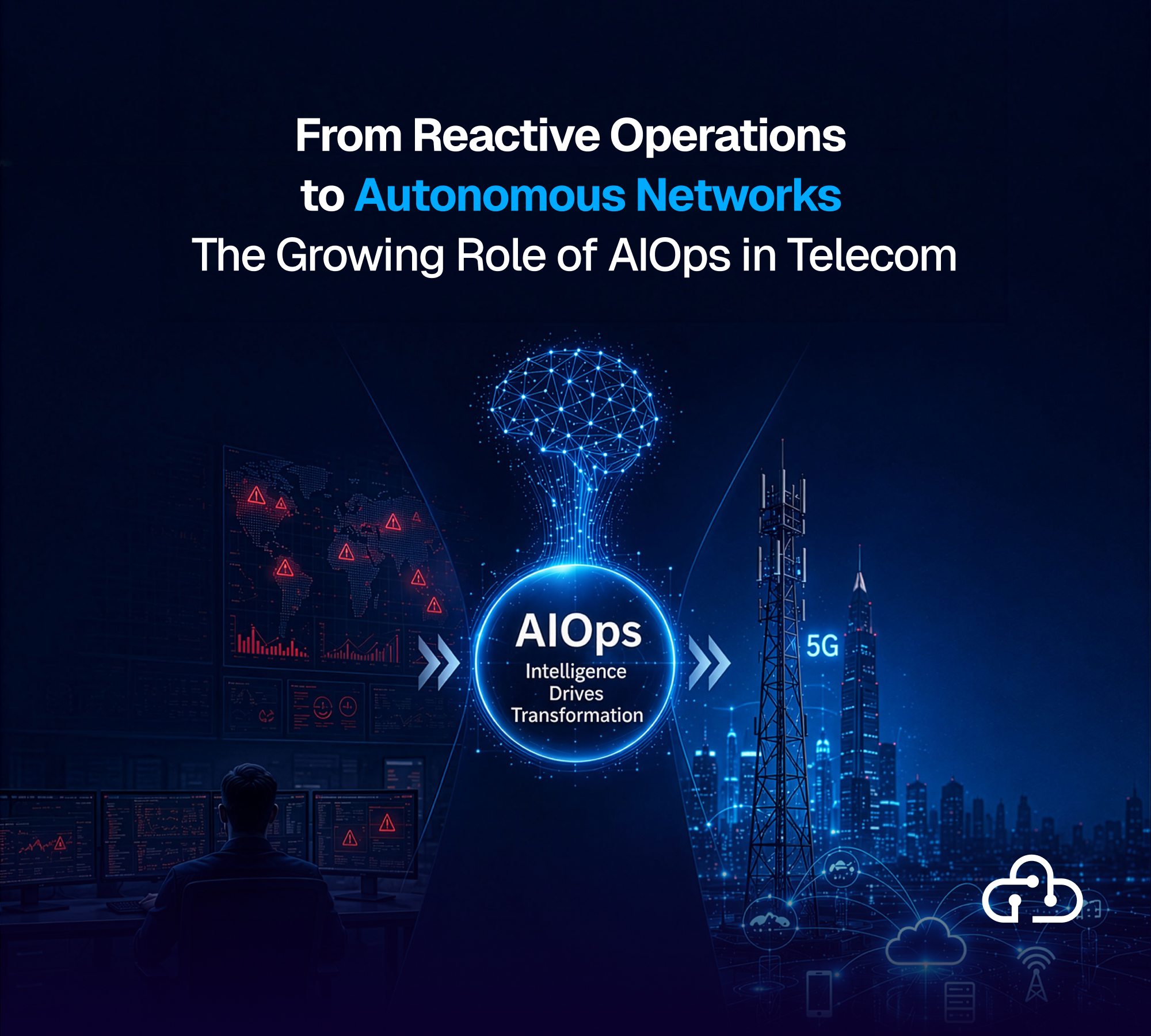
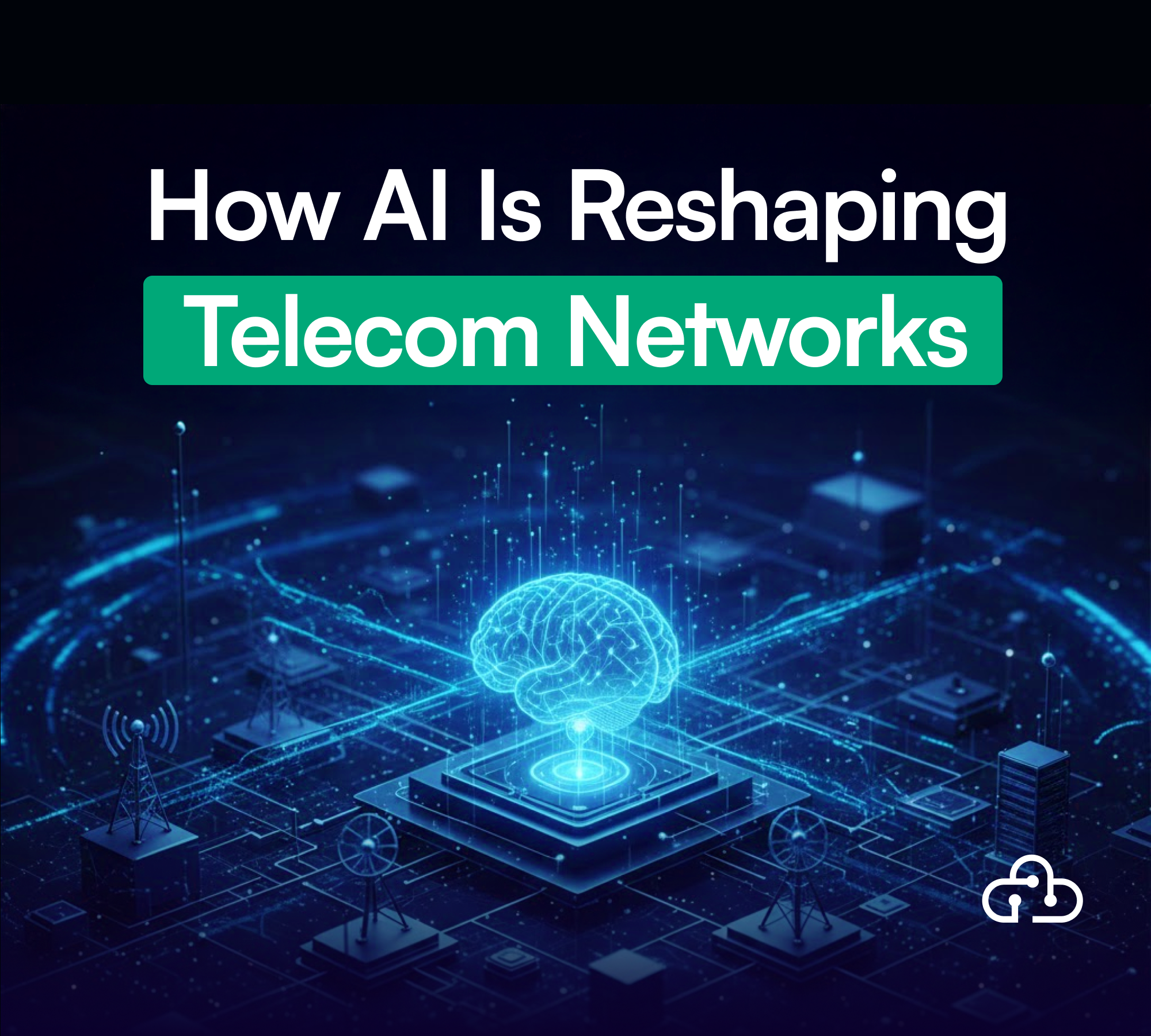
In telecom, AI refers to applying machine learning and automation to network and service operations. The long‑term vision is autonomous networks: systems that continuously learn from data, predict what will happen next, and adjust themselves without waiting for human action.
In the RAN, AI models can observe traffic, interference, and quality metrics, then propose or apply changes—like tuning power levels, selecting bands, or steering beams—to keep performance and energy use in balance. In operations, AI helps take over repetitive tasks, so teams spend less time firefighting and more time designing and improving the network.
Edge AI pushes intelligence even closer to users and devices. By processing data on edge sites instead of distant data centers, operators can support latency‑sensitive use cases like computer vision, autonomous systems, and immersive XR over 5G.
Why AI Matters for Network Operators
Telecom networks generate enormous amounts of telemetry, logs, and performance counters. AI turns this raw data into action:
- Smarter, greener networks: Machine learning models can analyze radio conditions and traffic patterns to optimize resource allocation and energy consumption. Networks become more efficient, more sustainable, and more consistent in the quality they deliver.
- Stronger operational performance: By automating routine monitoring, ticket triage, and configuration checks, AI reduces the time needed to detect and fix issues. That means lower operating costs, fewer incidents, and better experience for customers.
- More resilient security: AI‑assisted security tools monitor signals and traffic for unusual patterns, helping operators spot new attack vectors, adapt to changing tactics, and protect critical infrastructure.
Key AI Use Cases in Telecom
Many AI scenarios are already in production today, while others are emerging as networks become more cloud‑native and programmable:
- Energy‑aware RAN control: Models decide when to activate or deactivate carriers, adjust transmission parameters, or consolidate traffic to fewer nodes during quiet periods—all without compromising coverage or SLAs.
- Traffic forecasting and capacity management: AI predicts where and when demand will spike, so operators can scale resources, adjust routing, or shift workloads before congestion appears.
- Planning and design support: During rollout and optimization, AI helps generate RF maps, suggest site locations, and estimate capacity needs based on geography, user behavior, and historical data.
- AI‑enhanced cybersecurity and RF protection: Algorithms detect anomalies that may indicate DDoS attacks, signaling storms, jamming attempts, or rogue base stations, and help trigger mitigation workflows.
- Fault detection and anomaly monitoring: Models learn “normal” behavior across layers, then highlight deviations that could lead to outages. Over time, they can recommend or trigger preventive actions.
- AI‑driven root cause analysis: When something goes wrong, AI correlates symptoms across virtualized layers—RAN, core, transport, cloud platform—to narrow down the most likely origin and speed up resolution.
- More targeted services: By extracting insights from customer usage and service data, operators can design offers that better match real behavior and expectations.
The Road to AI‑Native Networks
To unlock the full potential of AI, operators still need to progress on their broader digital transformation: consolidating data, breaking down silos, virtualizing functions, and exposing programmable interfaces. As 6G research advances, AI is expected to move even closer to the center of network design, especially in RAN automation and edge‑powered applications.
For LabLabee, this evolution has a clear implication: telecom engineers must not only understand how networks work, but also how AI will test, operate, and optimize those networks. That’s why AI‑assisted testing, troubleshooting, and experimentation are becoming an essential part of modern telcos—not a nice‑to‑have, but a new baseline for future networks.